
children helped through Seeds initiatives and community support.
Positive Impact
Change that reaches people, place and possibility.
Seeds connects locally led priorities with responsible travel, giving, volunteering and long-term partnership.
How impact works
Support should be close to the people it is meant to serve.
Seeds of Tomorrow Initiative was created to turn the goodwill of travelers, philanthropists, donors and partners into practical action for Tanzanian communities.
Our travel-partner model invites a contribution of US$5 per traveler, per night toward designated community projects, while volunteers and professionals can also contribute time, knowledge and mentorship.
Explore our approach
People, landscapes and responsible action belong in the same conversation.
Use the navigation below to explore the three connected parts of Seeds' Positive Impact approach. Each section has its own page, stories and priorities.

01
Community
Inclusive education, safe opportunity, skills exchange and locally led support.
Explore Community →
02
Ecosystems
Community conservation, wildlife coexistence and resilient Tanzanian landscapes.
Explore Ecosystems →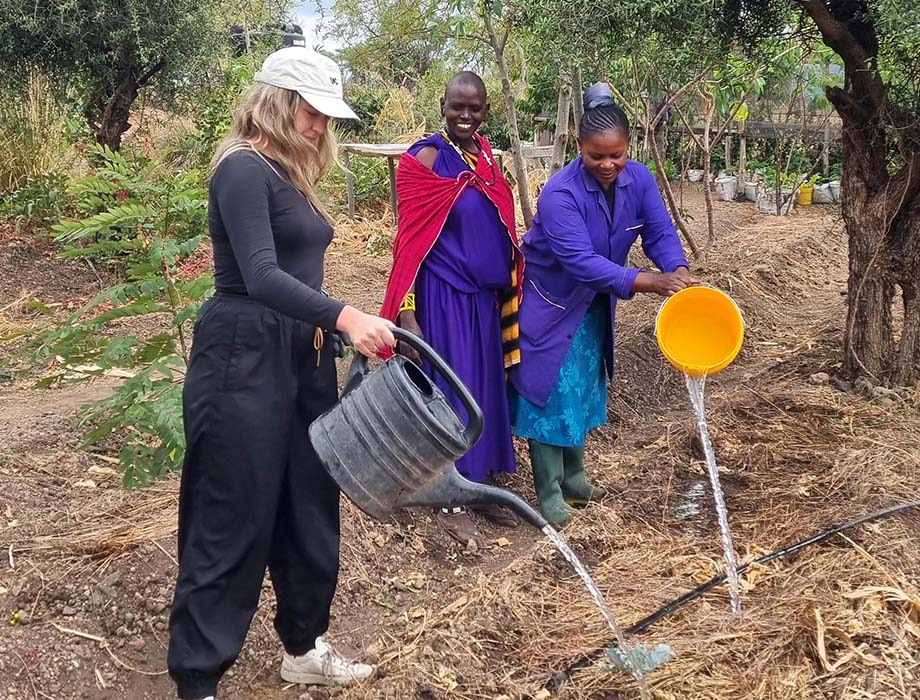
03
Environment
Responsible travel, waste awareness, better choices and long-term accountability.
Explore Environment →per traveler, per night is the contribution model we invite travel partners to support.
connected areas of action: education, conservation, and climate & environment.
Build opportunity through inclusive learning.
We support schools with practical resources, mentorship, skills exchange and opportunities for children and young people, including those who face barriers connected to disability or albinism.
Protect wildlife with communities, not around them.
Our conservation work links awareness, local stewardship and livelihoods, including priorities connected to the Tarangire–Manyara ecosystem and Maasai Steppe conservation efforts.
Make responsible choices part of everyday life.
Seeds promotes waste awareness, reduced plastic use, reusable alternatives, eco-conscious tourism and community education that strengthen environmental resilience.
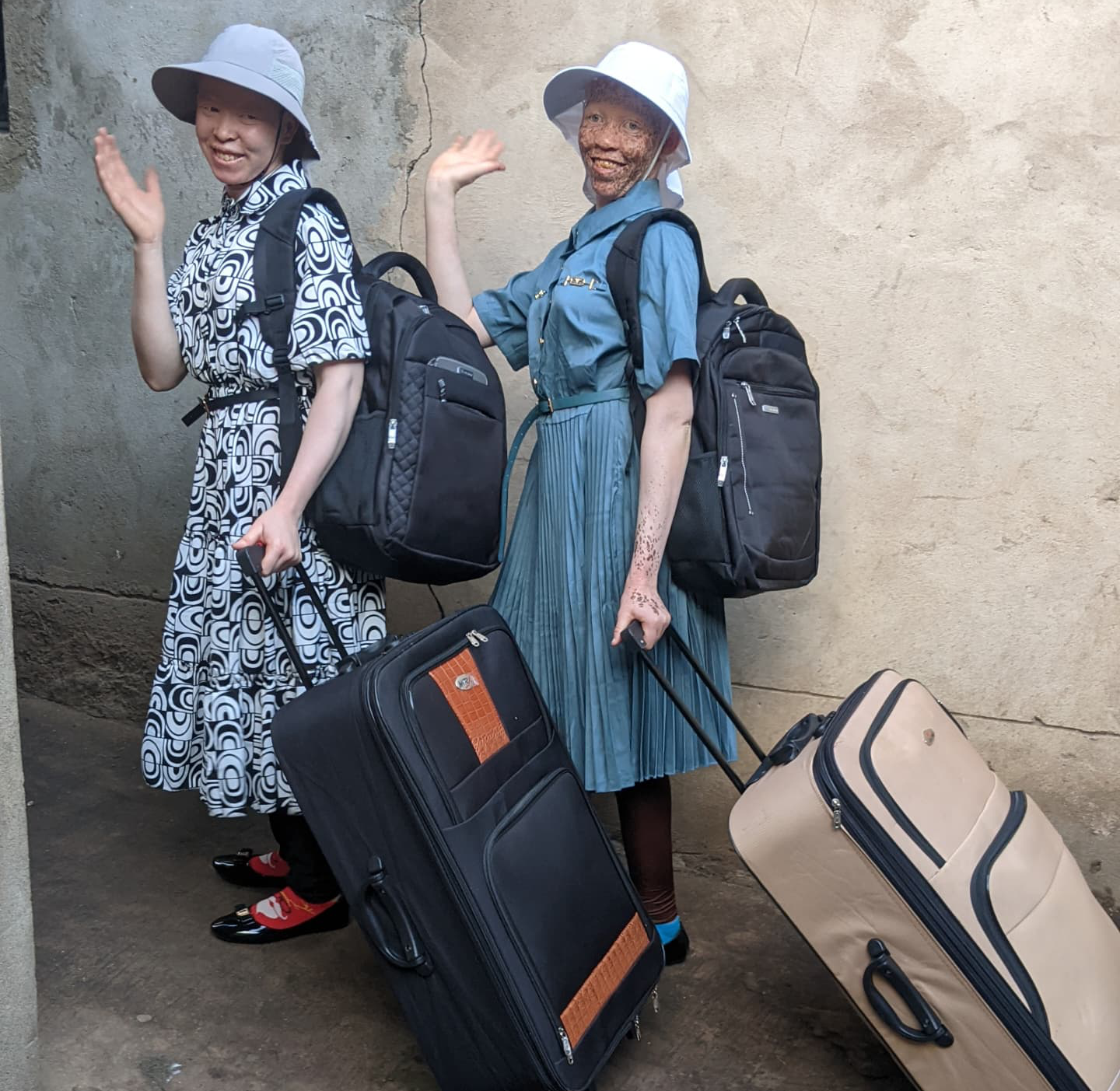
Impact Story · Regina
A safe home changed the direction of Regina's life.
Regina grew up in a Maasai community where living with albinism brought daily risk, exclusion and uncertainty. When she came into the care of Sister Martha, she found something fundamental: safety, belonging and people who understood her.
That foundation opened a different future. Regina is now studying social work and hopes to use her education to advocate for others and create change within her community.
Her story is one example of why long-term, locally rooted support matters: protection can create the space for confidence, education and leadership to grow.
Why this approach matters
Real relationships. Direct action. Long-term possibility.
Our role is to make participation useful—whether that participation comes through tourism, professional skills, donations or community partnership.
Local leadership
Projects are grounded in Tanzanian communities and shaped around priorities that local partners can see and sustain.
Designated support
Contributions are connected to named initiatives so donors and travel partners understand what their support is helping make possible.
Meaningful exchange
Travelers and professionals can add value through mentoring, teaching, practical knowledge and respectful cultural exchange.
People + Nature
Healthy communities and healthy ecosystems are connected.
Education, livelihoods, conservation and climate resilience influence one another. When families have stronger opportunities and communities have a meaningful stake in natural resources, protecting landscapes can become part of a more secure future rather than a competing priority.
This is why Seeds brings social and environmental action together instead of treating them as separate causes.
Responsible engagement
Meaningful participation should protect dignity.
Volunteering and responsible travel can add real value when they are structured around local needs. Seeds encourages participation that is guided, respectful and useful to the people and organisations involved.
Respect privacy
Children and vulnerable people should never be treated as attractions or content opportunities.
Follow local guidance
Activities should be shaped and hosted by the schools, families, community leaders and partners closest to the work.
Bring useful skills
Volunteer involvement is strongest when it complements local expertise and supports a clearly identified need.
Think beyond the visit
The value of an experience should be measured by what remains useful after the visitor has gone home.
A Home of Hope in Tanzania
Join the US$50,000 goal.
The current campaign supports Sister Martha and children with albinism, helping strengthen a safe home where dignity, education and opportunity can grow.